Any of you who have watched the TV show House know that diagnosis can be really tricky. Some conditions are easy to identify and treat, and other symptoms doctors get wrong or just don’t understand, even with all their scans and tests. I personally like doctors who really know their stuff but still are humble enough to admit that they might be
wrong.
When it comes to personal relationships, I have a tendency to jump too quickly to a diagnosis. I can remember before I was married seeing parents who weren’t in my view doing a very good job. They would yell at their rebellious kids, and I would be pretty certain that my own children would learn how to be polite, obedient, and kind. All it would take would be for me to set an example of kindness and respect. My children would learn what they lived with.
Back then I actually believed that I was a patient person. In fact, there were many situations where my patience was exemplary. I remember helping a classmate learn to rollerskate. I went round and round the rink skating backwards while holding her hands. She said, “Thank you for helping me. You are so patient!” So I believed her, and I thought that I would be a patient parent when the time came.
All that changed with
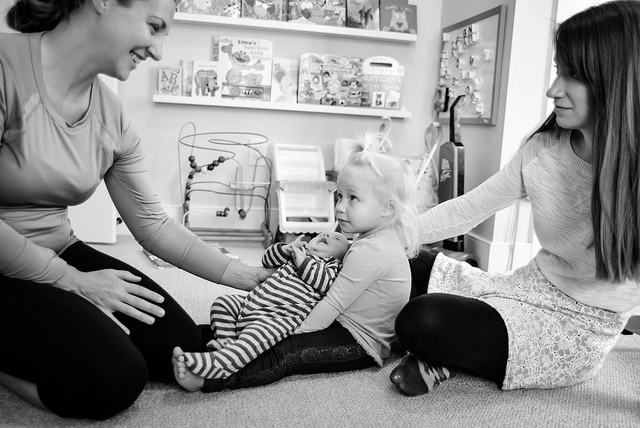
our second child. Our two-and-a-half-year-old did not really know how to care for our eight-month-old baby. Sometimes he seemed to be testing her reactions to pain, and I got really upset. No, enraged. No one is going to hurt my baby, not even—especially not—my other child. That was the beginning of a dozen-year journey learning I was one of those parents that I had previously thought I’d be better than. I had become victim of the Three Finger Rule, which says that having one finger
pointed at someone else I have three pointed back at myself.
It is easy to look at other people and think we know what their problems are, and know just what will fix them. It seems that our current political debates have a lot of glib diagnosis of what in the end turn out to be complex situations. Sometimes the lack of civil language makes we wince and conclude that If I were running for president I would never be so impolite to any other candidate or group of
voters.
Then I think again and realize that my task is to make sure that my own language is not prejudiced or impolite; that I don’t diagnose too quickly or speak too rudely when my spouse, my children, my coworkers or my friends don’t seem to have the wisdom, compassion or plain common sense that I so easily attribute to myself.